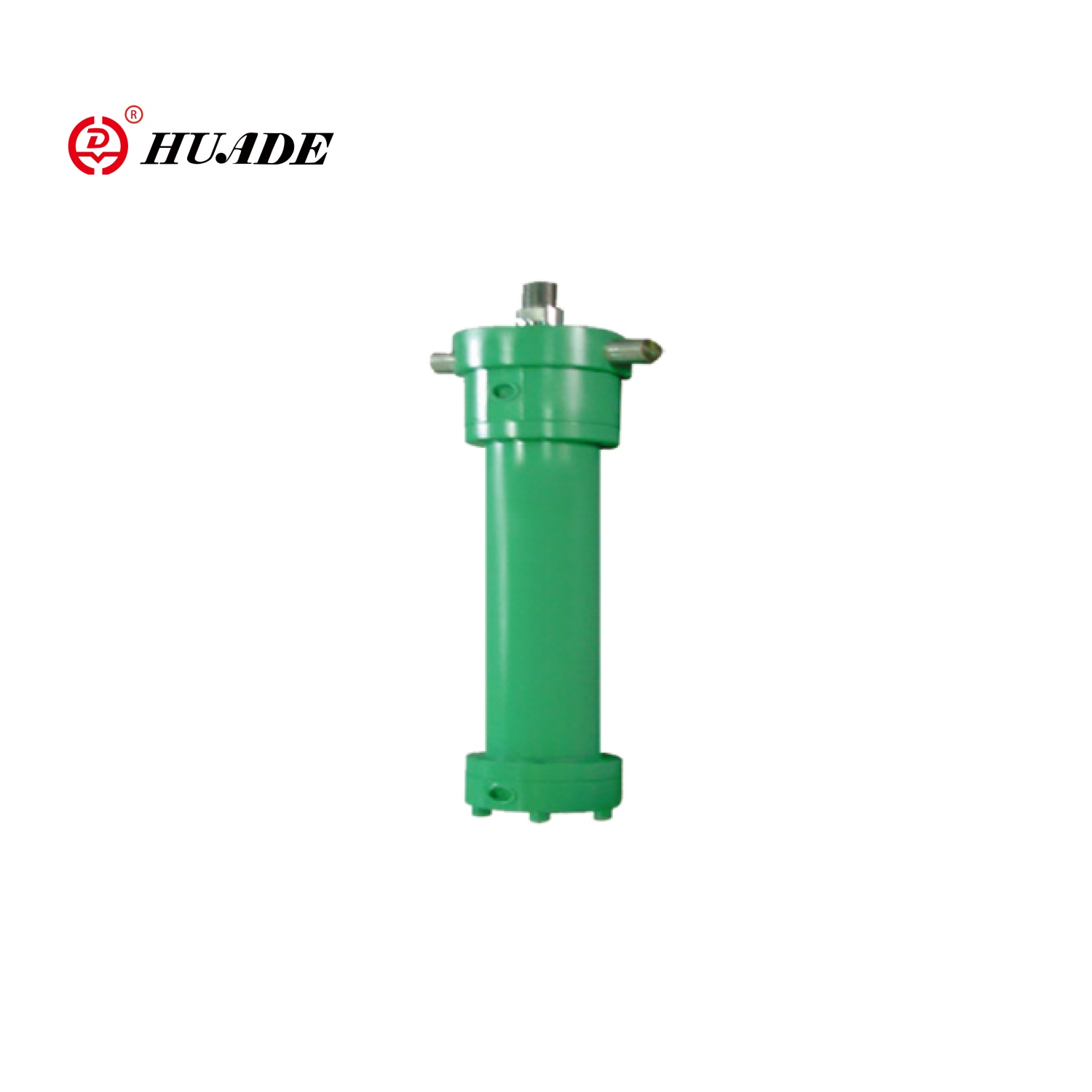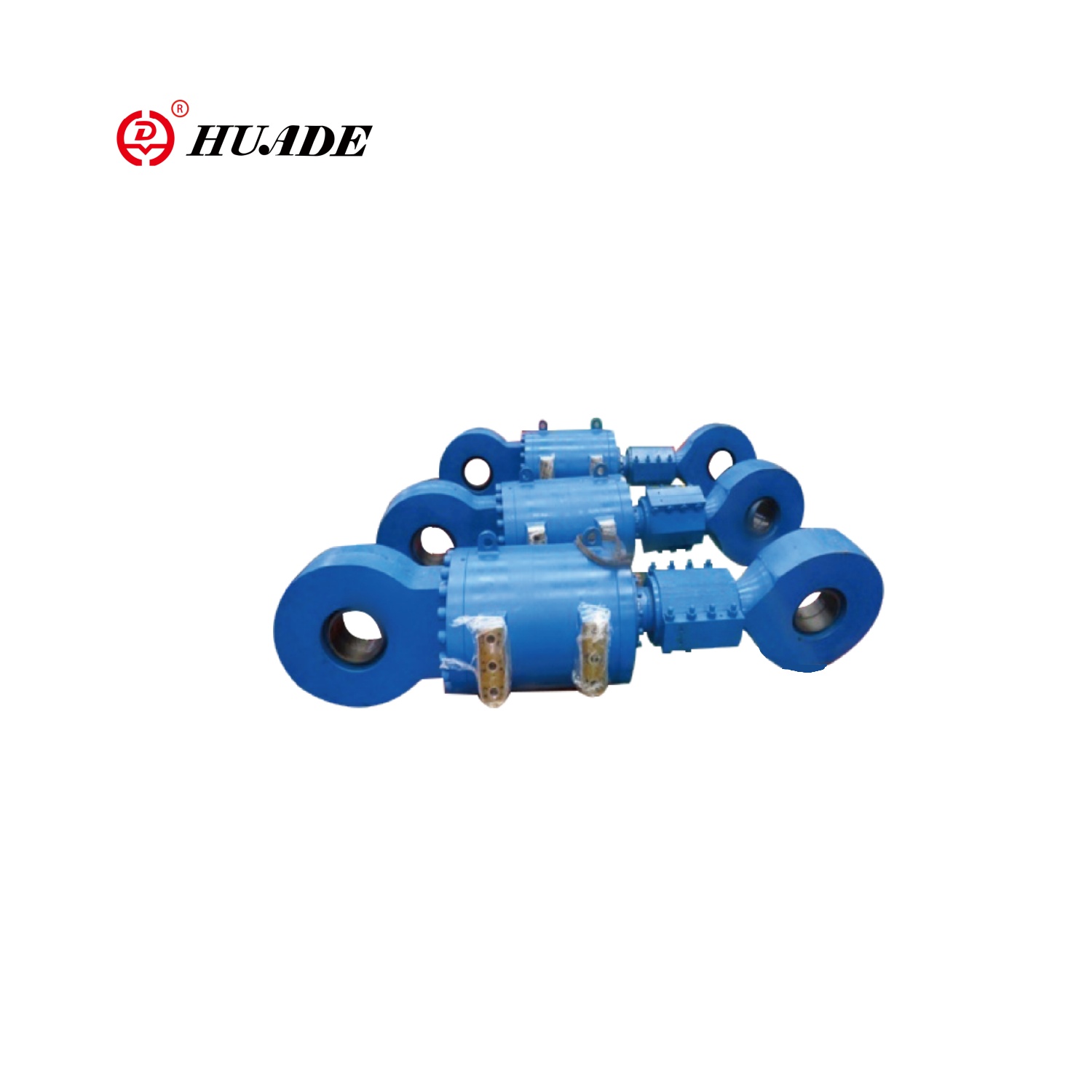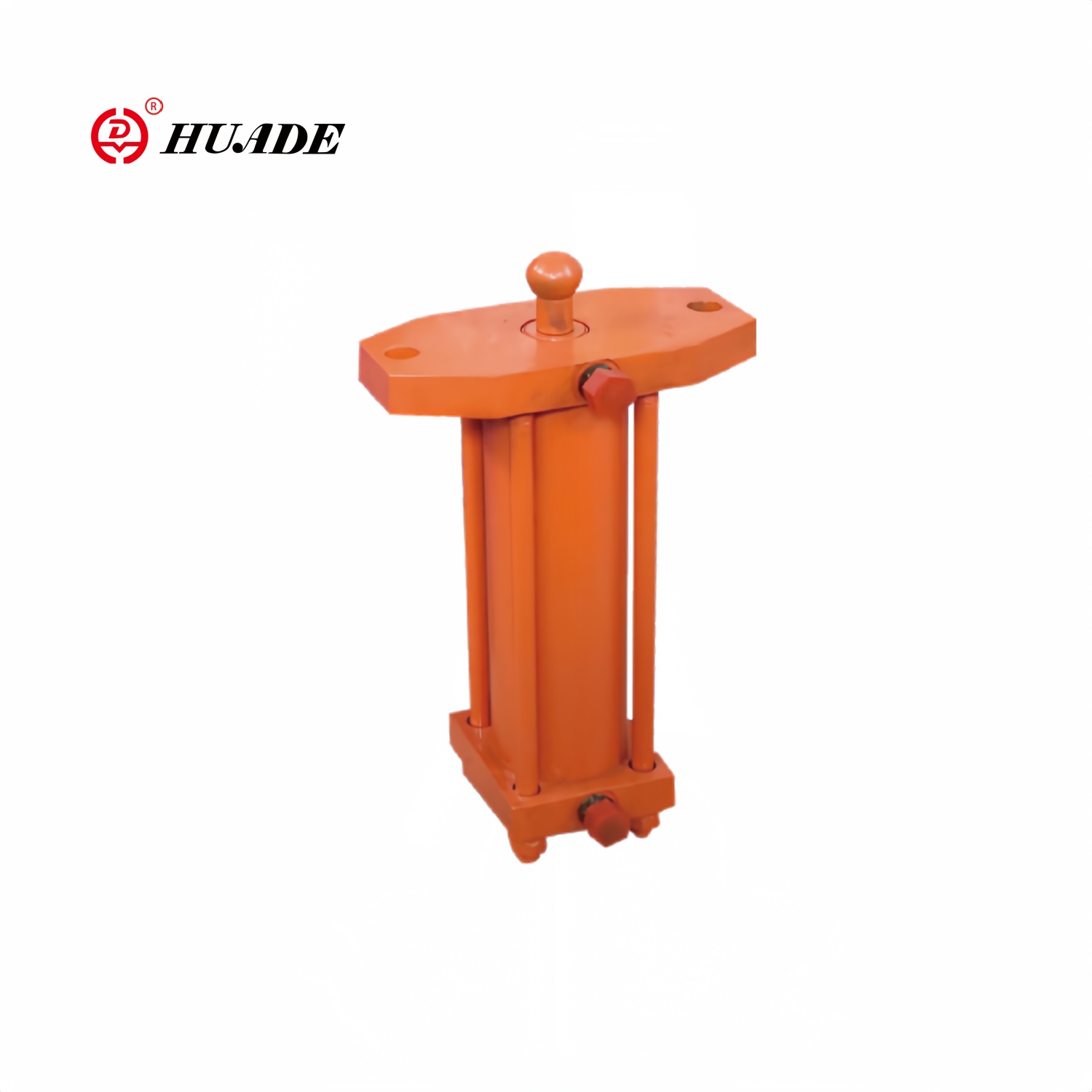
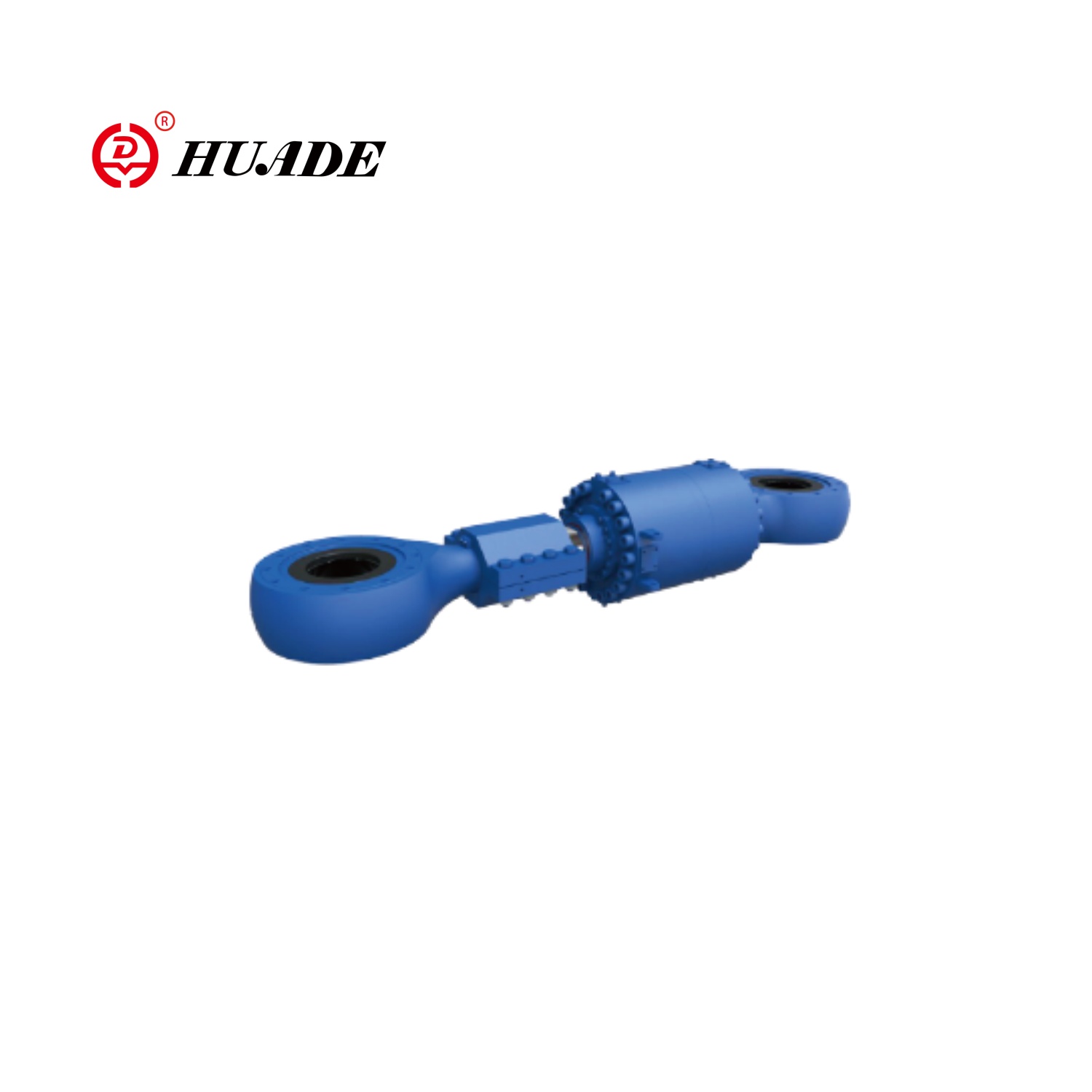
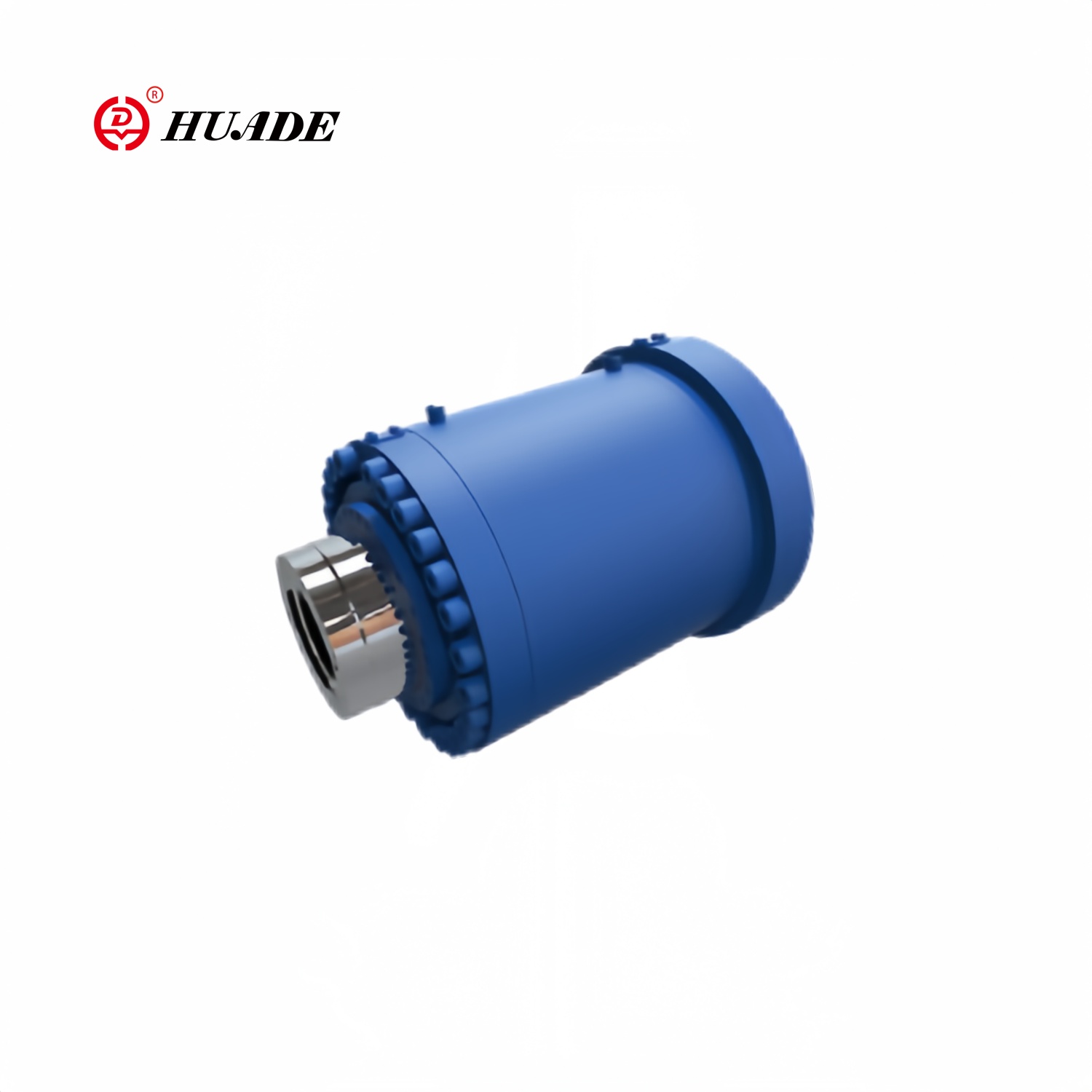
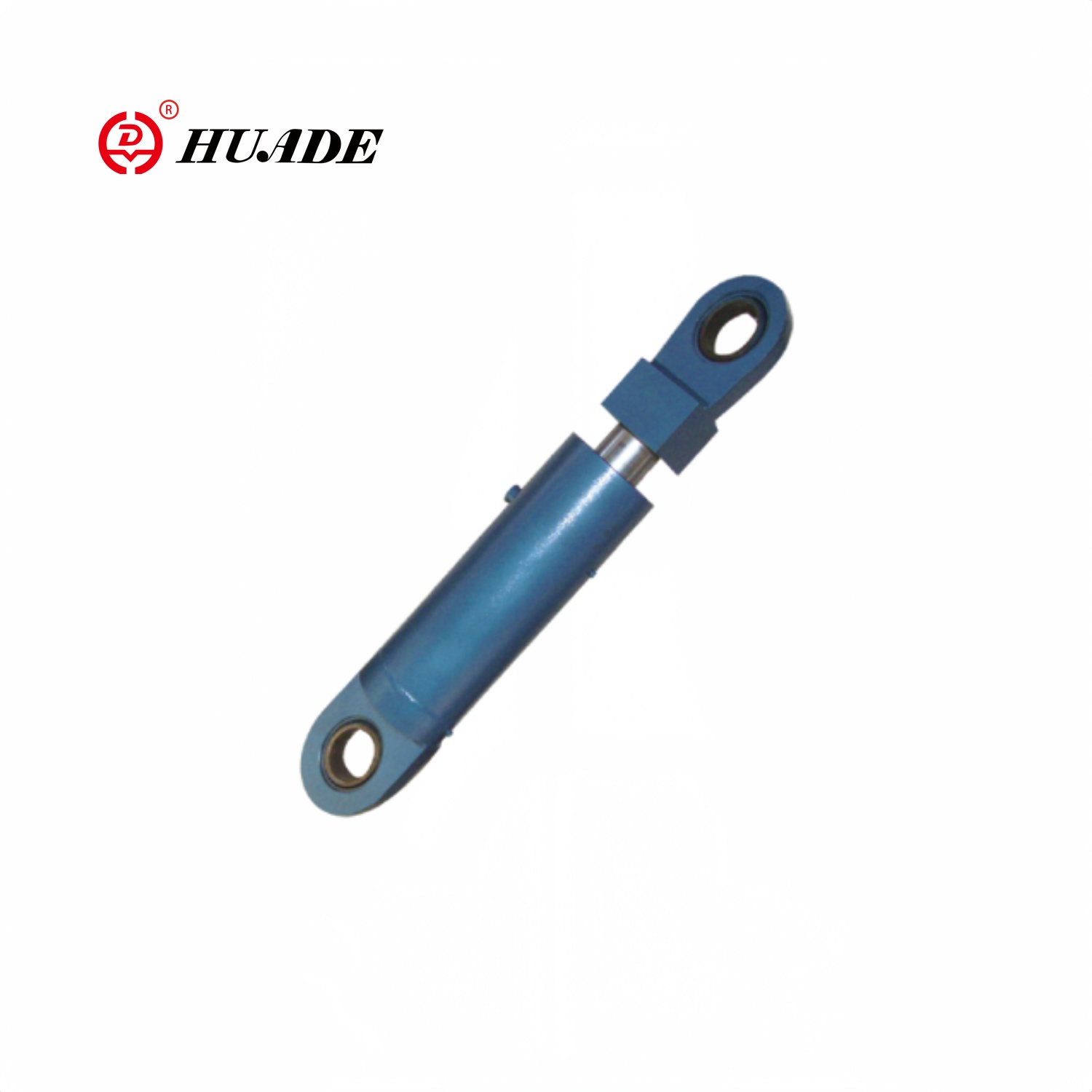
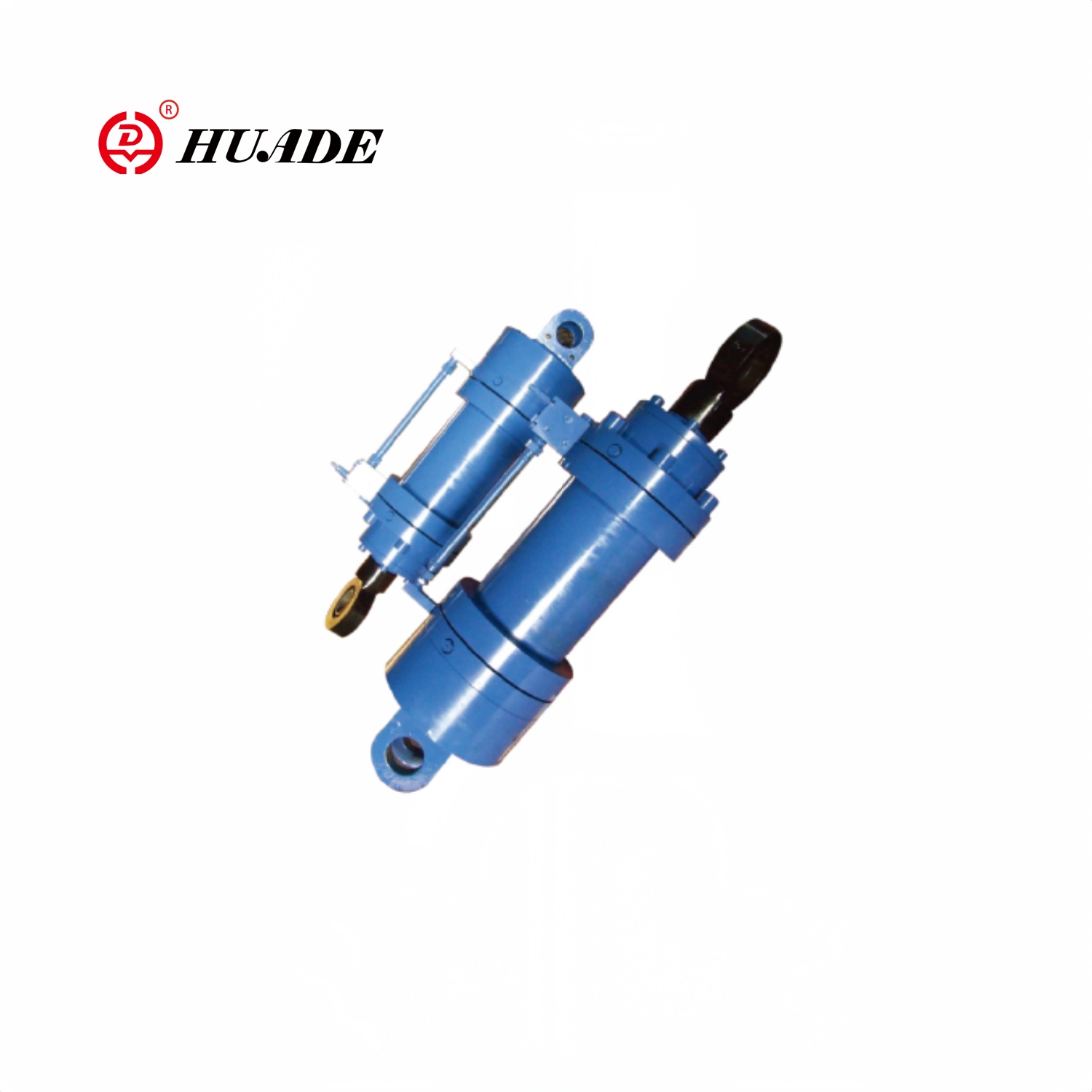
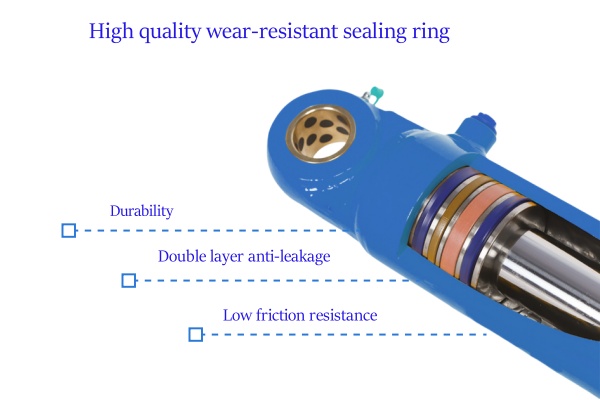
The working principle of hydraulic piston cylinders is that when the two chambers of the hydraulic cylinder are respectively connected to pressure oil, the piston will move under the action of oil pressure, thereby driving the load to perform linear motion or swinging motion. By controlling the flow, pressure and direction of hydraulic oil, the movement speed, stroke and direction of the hydraulic cylinder can be accurately controlled.
- Identify the application scenarios of the piston cylinder, such as for lifting, pushing, clamping or other mechanical actions.
- Determine the required force, speed, stroke and working pressure.
- Select the appropriate cylinder, piston and sealing materials according to the working environment (such as temperature, corrosion, pressure, etc.).
- Consider the strength and wear resistance of the material.
- Calculate the diameter and wall thickness of the cylinder according to the required force and working pressure.
- Design the shape and size of the piston to ensure effective sealing and appropriate friction.
- Select the appropriate seal type (such as O-ring, lip seal, etc.) according to the working pressure, temperature and medium.
- Ensure that the seal can remain effective throughout the entire working range.
5.Determine the installation and connection method:
- Select the installation method of the cylinder body (such as flange installation, tripod installation, etc.) according to the installation space and working requirements.
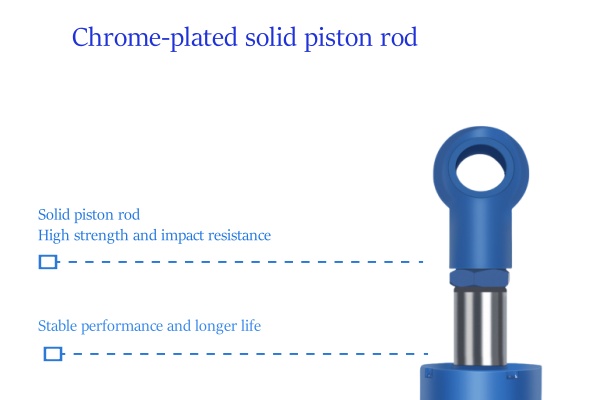
- Determine the end and connection method of the piston rod (such as threaded connection, ball joint connection, etc.).
- Design safety valves and relief valves to prevent overpressure.
- Consider designs that are easy to maintain and replace seals.
- During the customization process, work closely with the hydraulic cylinder manufacturer or engineer to ensure that the design meets all requirements.
- They can provide professional advice, perform performance calculations and simulations, and help optimize the design.
- Perform quality control during the manufacturing process to ensure that all components meet the design requirements.
- Perform performance testing after the manufacturing is completed to ensure that the piston cylinder meets the expected performance standards.